skip to content

Creating Conditions for Transformative Change

Pathways from Poverty
to Prosperity

Our model anchors in three impact areas:

Every child deserves to feel safe, supported, and surrounded by opportunity, no matter their ZIP code or circumstances.

Potential has no zip code. Poverty does.

Children’s Home Society of Florida (CHS) is addressing one of Florida’s most pressing challenges: generational childhood poverty. Together with our expansive partner network, we create ecosystems of support where childhood poverty is highest in the state. By creating stable environments, increasing access to resources, and connecting families to opportunity, we are disrupting generational cycles of poverty.

Built with Communities, Not for Them

Every community is different. That’s why our model is designed to be locally driven and adaptable.

We work hand-in-hand with:

  • Schools and school districts
  • Healthcare providers
  • Colleges and universities
  • Businesses and workforce partners
  • Community organizations

Together, these partnerships create a network of support that is stronger, more responsive and built to last.

Cradle-to-Career Continuum

Children’s Home Society’s cradle-to-career continuum is a transformative approach to development that envisions unbroken, strategic support for children from birth through their entry into the workforce and beyond. The continuum is not simply a series of isolated educational or social interventions, but a cohesive, integrated pathway designed to nurture, educate, and empower individuals at every critical stage of their lives.

Ready to Grow (Prenatal - Age 5)
Who:
Children ages 0-5 and families
Where:
Family Resource Centers, family's home
Outcome:
Children start strong - ready to learn, supported at home, and on track for what comes next.

Ready to Grow

This is where everything begins.

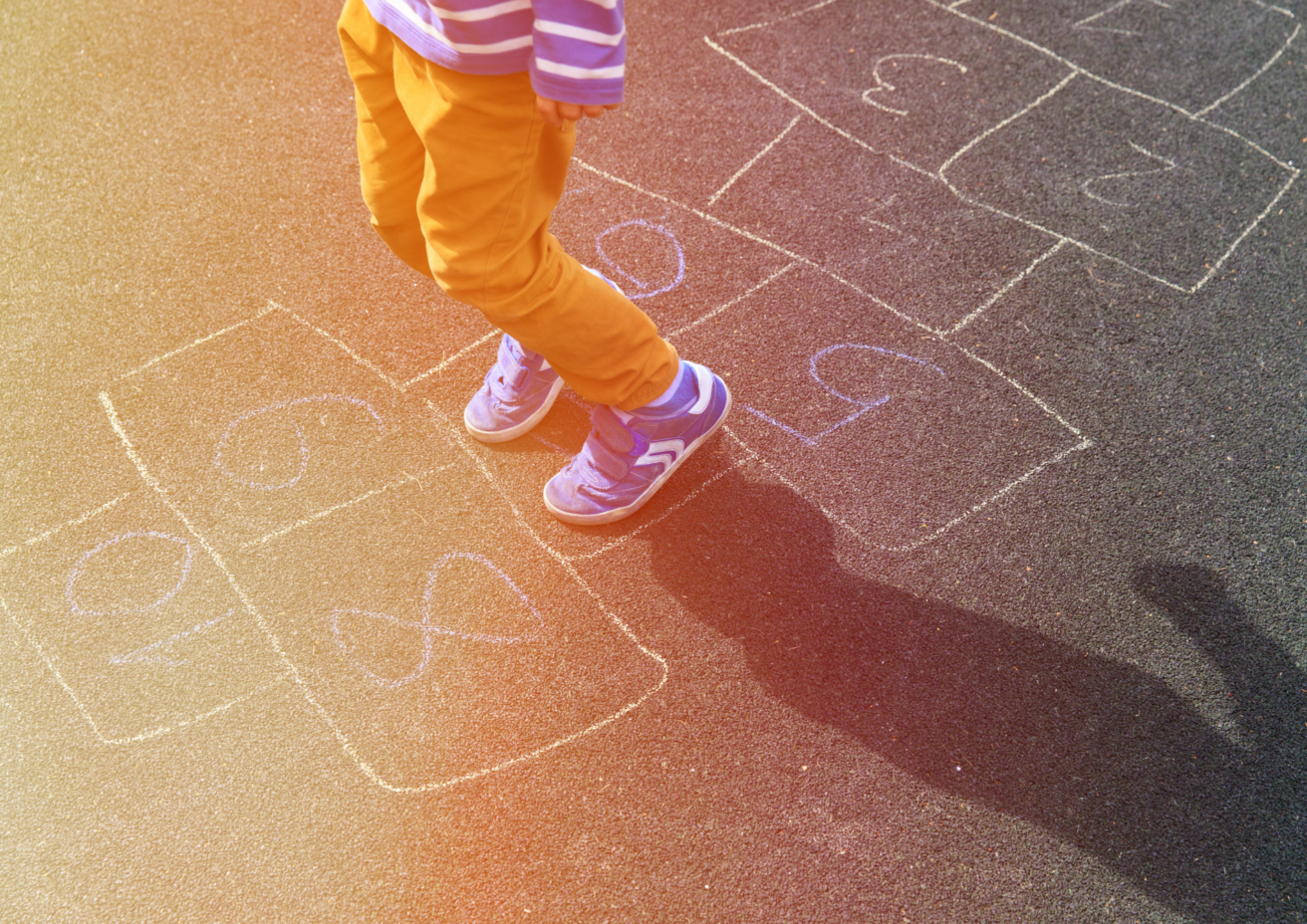
From prenatal through age 5, a child’s brain develops faster than at any other time in life – shaping the foundation for learning, behavior, and health. That’s why our Ready to Grow impact area focuses on ensuring children and their families have what they need from the very start: strong relationships, access to healthcare, early learning opportunities, and safe, stable environments.

Through prenatal care, parent support, nutrition, and high-quality early education, we help children build the skills they need to grow, connect, and thrive—so they enter school ready to learn and succeed.
Ready to Learn (Ages 5-14)
Who:
Children ages 5-14 and families
Where:
Community Partnership Schools
Outcomes:
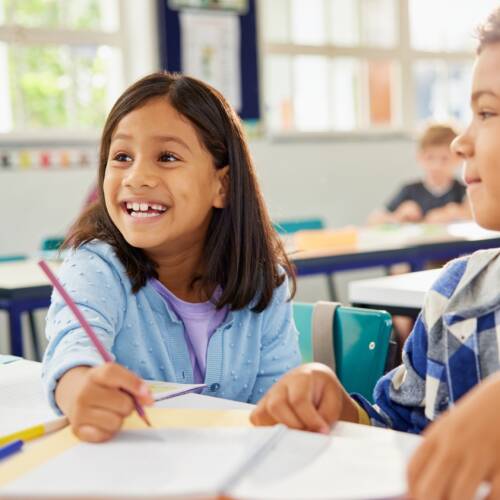
Increases in attendance, 3rd grade reading, learning gains, and graduation rates

Ready to Learn

These years are critical for building not just knowledge, but confidence, resilience, and a sense of belonging.

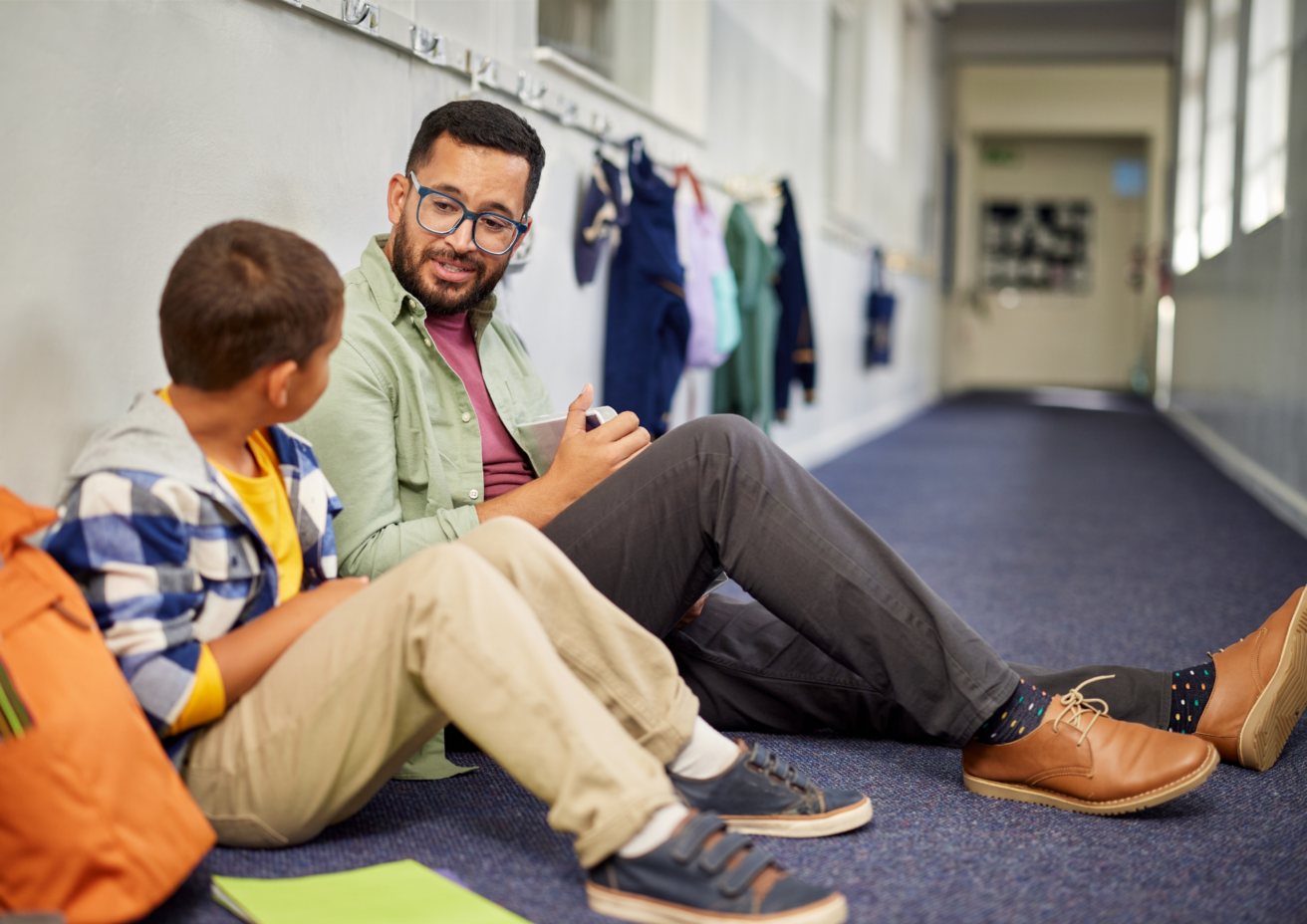
During this stage, children need consistent support to stay engaged, overcome barriers, and keep learning. Through our Ready to Learn impact area, we work alongside families and communities to ensure children have what they need – academically, physically, and emotionally—to show up ready and able to succeed.

When children are supported in the right ways, they can fully engage, retain what they learn, and apply it with confidence- setting the stage for everything that comes next.

Ready to Earn (Ages 14-24)
Who
Youth and young adults ages 14-24 and families
Where:
Community Partnership Schools, Family Resource Centers and family's home
Outcomes:
Increases in graduation rate and college/career readiness

Ready to Earn

This is where potential turns into opportunity.

Through our Ready to Earn impact area, we partner with youth and young adults (ages 14–24) as they take the next step toward independence. That means more than preparing for a job – it means building the skills, experiences, and connections needed for long-term success.

Young people gain access to career exploration, hands-on work experience, life skills, and mentorship, along with the mental and emotional support they need to navigate this stage with confidence. As they move beyond high school into training, education, or the workforce, we help them understand their options, overcome barriers, and stay on track. Because success isn’t just about the first job – it’s about building a path forward for Florida’s workforce.

Our Theory of Change

In Florida, more than 700,000 children are growing up in poverty. Half live in just 15% of the state’s zip codes — 150 communities where childhood poverty and child maltreatment rates are disproportionately high. The CHS Community Impact Model operates in those zip codes.

Our model is built on a foundational principle: change requires the right conditions. Building trust. Creating safe spaces. Offering resources at the right time and place. Opening doors to opportunity. Delivering hope in places where hope has been scarce.

This is how we replace barriers with bridges. This is how we walk alongside families across generations. This is how Florida builds a future where every child’s potential is no longer limited by their zip code.

Adversity is generational.

Parents who experienced significant hardships in childhood are more likely to have parents who did, and more likely to have children who will.

Protective experiences build resilience.

When children encounter environments that are deliberately designed for stable relationships, safe spaces, opportunity, and hope, they develop the resilience to navigate hardship.

Resilience breaks the cycle.

Children who build resilience through protective experiences are more likely to be healthy and economically stable as adults, and less likely to raise children in poverty with the same adversities they faced.